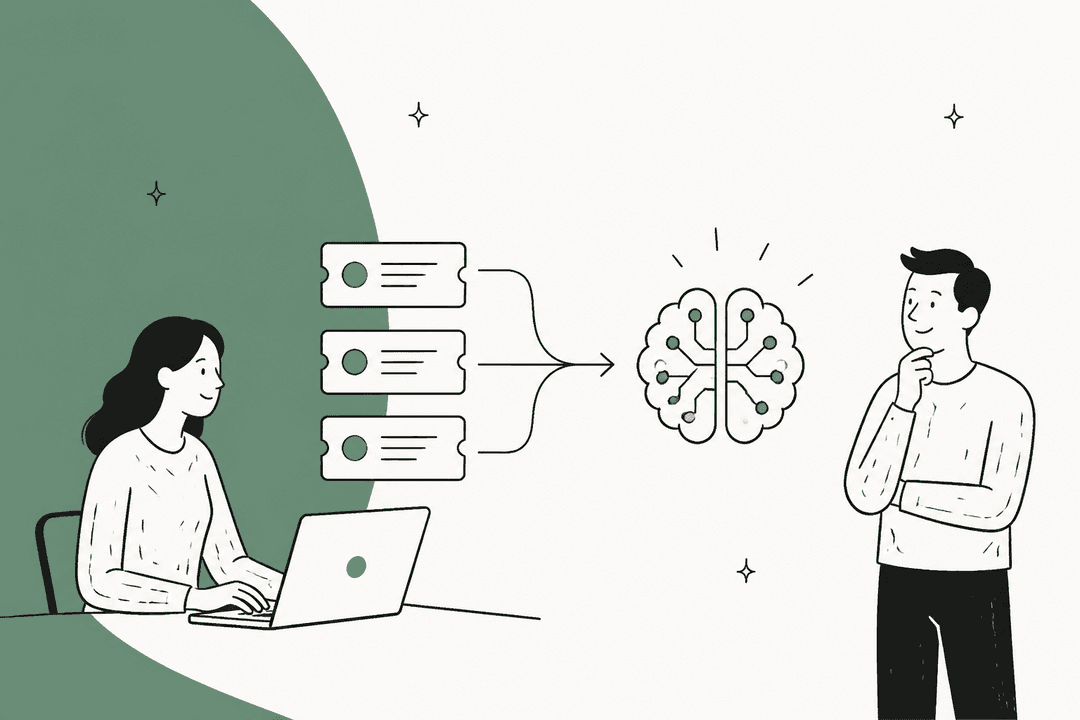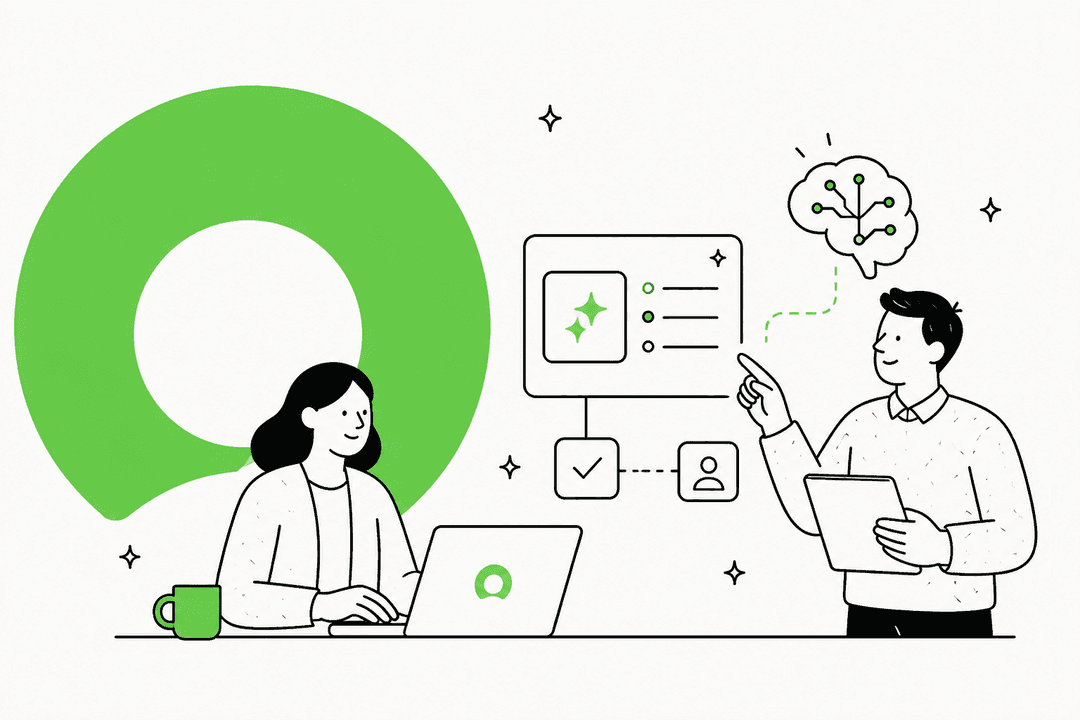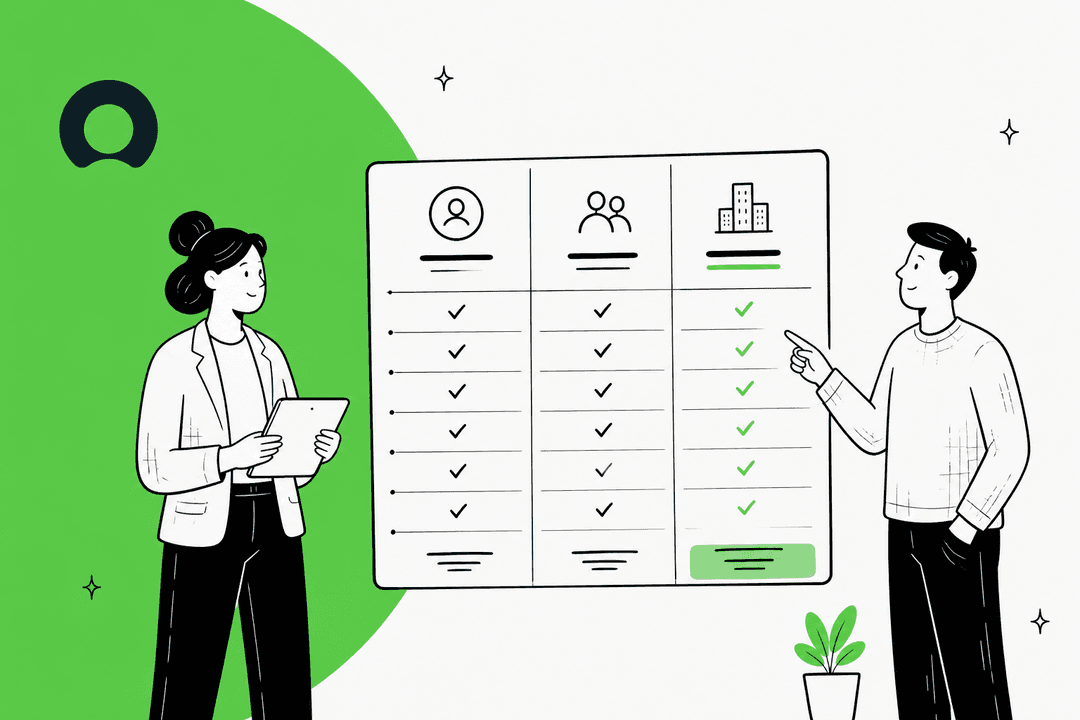

ServiceNow is a beast when it comes to enterprise workflows. If you use it, you know. And lately, it’s impossible to ignore the buzz around their big push into artificial intelligence. They're rolling out a whole bunch of AI tools that promise to automate tasks, make everyone more productive, and just generally make work less of a grind.
But here’s the thing: while the potential sounds great, figuring out what’s what in ServiceNow's AI world can feel like a full-time job. You've got Now Assist, AI Agents, and the whole underlying platform, and it's easy to get tangled up in the marketing hype.
So, let's cut through the noise. This guide will break down the key AI powered features in ServiceNow, look at what they actually do for you, point out some real-world limitations you should know about, and help you figure out how to get the most out of them.
What are AI powered features in ServiceNow?
When people talk about AI in ServiceNow, they aren't talking about one single thing. It’s a whole ecosystem built on the ServiceNow AI Platform. Think of this as the engine that runs all the smart capabilities across every product they offer.
From a bird's-eye view, you’ll mainly hear about two big concepts:
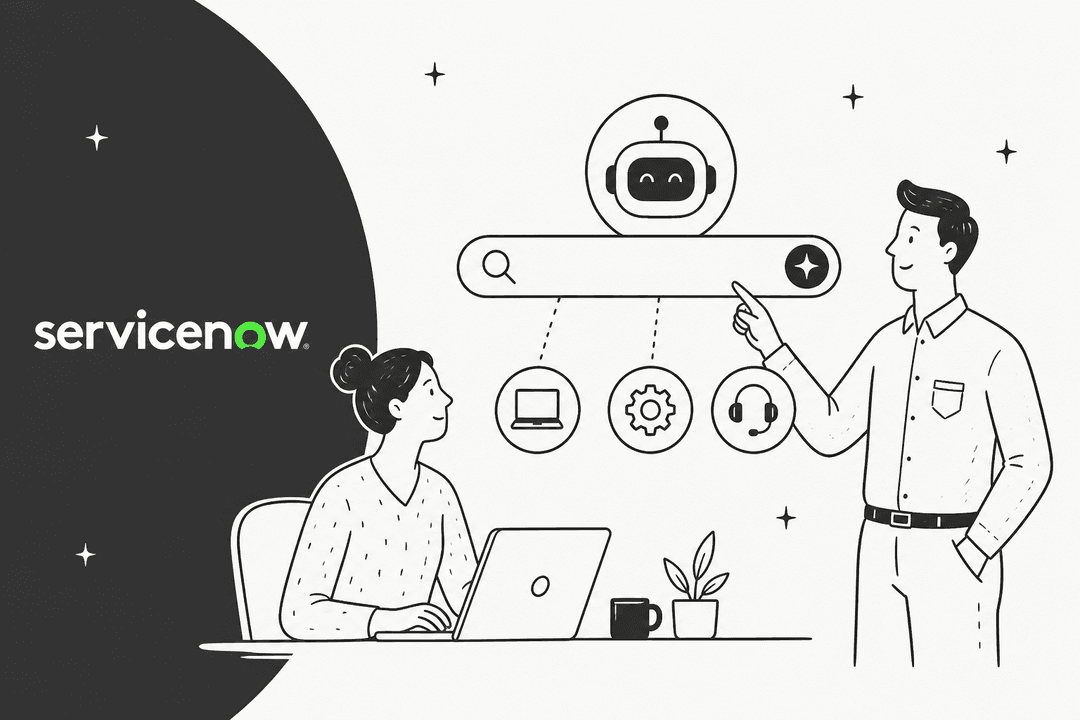
Now Assist is the brand name for all of ServiceNow's generative AI experiences. These are the little AI helpers you’ll find built right into the tools you already use, like IT Service Management (ITSM), Customer Service Management (CSM), and HR Service Delivery (HRSD). Their job is to give employees a hand with things like summarizing long ticket histories or drafting quick replies.
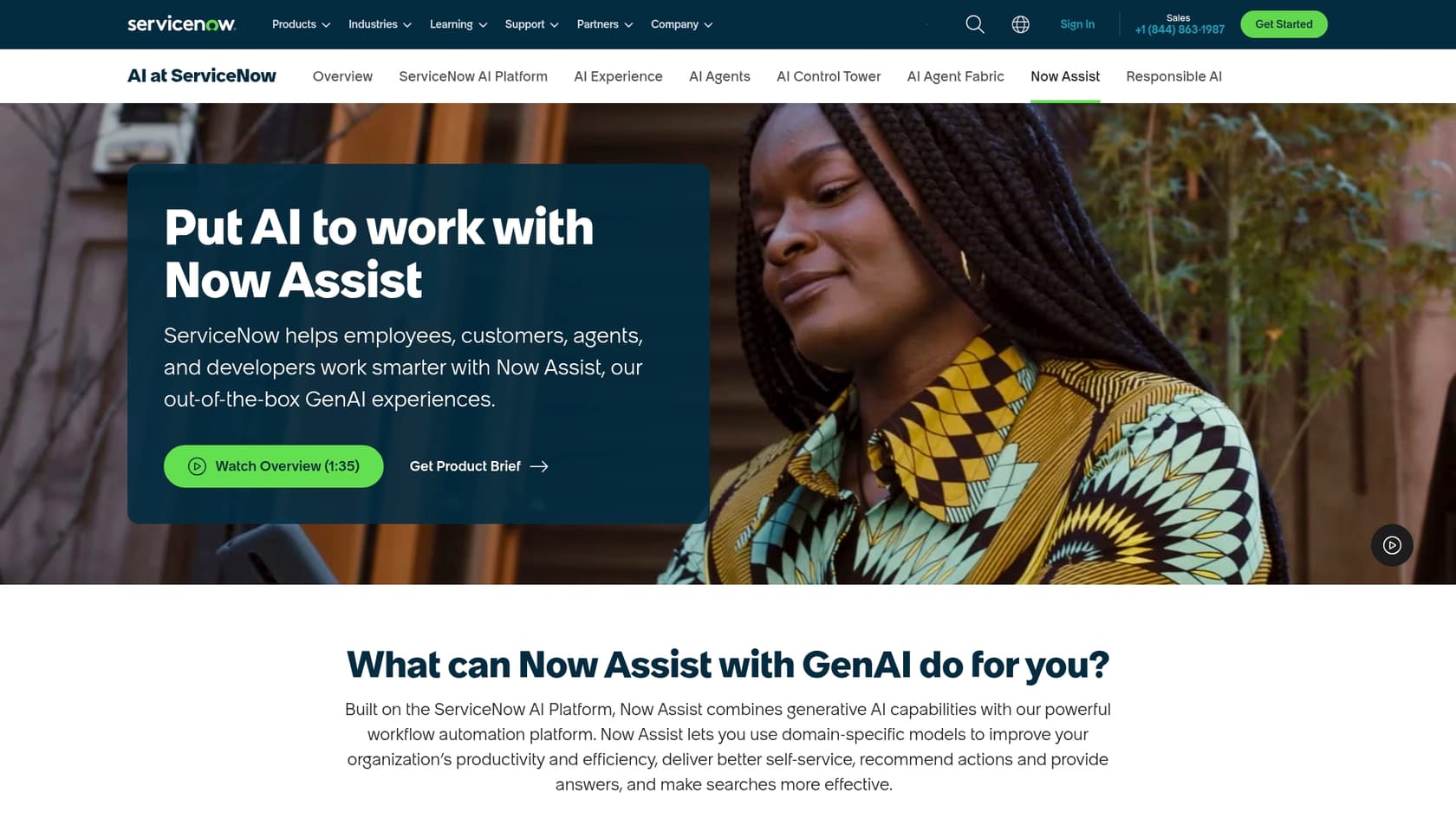
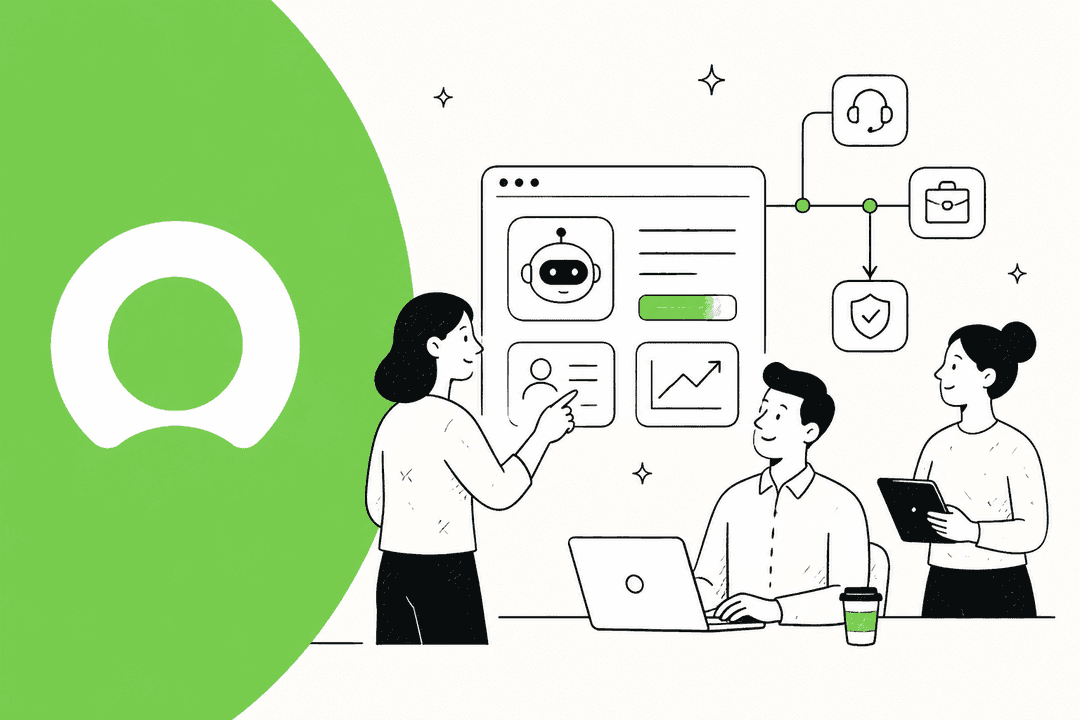
ServiceNow AI Agents are a pretty big leap beyond just helping out. They're designed to be autonomous workers that can handle complex, multi-step jobs all on their own. We're not talking about simple chatbots here; these are digital assistants that can coordinate actions across different departments and even different systems.
ServiceNow’s game plan is to use its own in-house large language models (LLMs) while also letting you plug in models from other companies, all controlled from inside its own platform.
A deep dive into the core AI powered features in ServiceNow
Alright, let's get into the nitty-gritty. Here are the main AI-powered features you'd actually be using day to day.
Now Assist
Now Assist isn't a separate product you can buy off the shelf. It’s a collection of GenAI features that are fine-tuned for specific modules, all with the goal of making agents and employees more efficient.
-
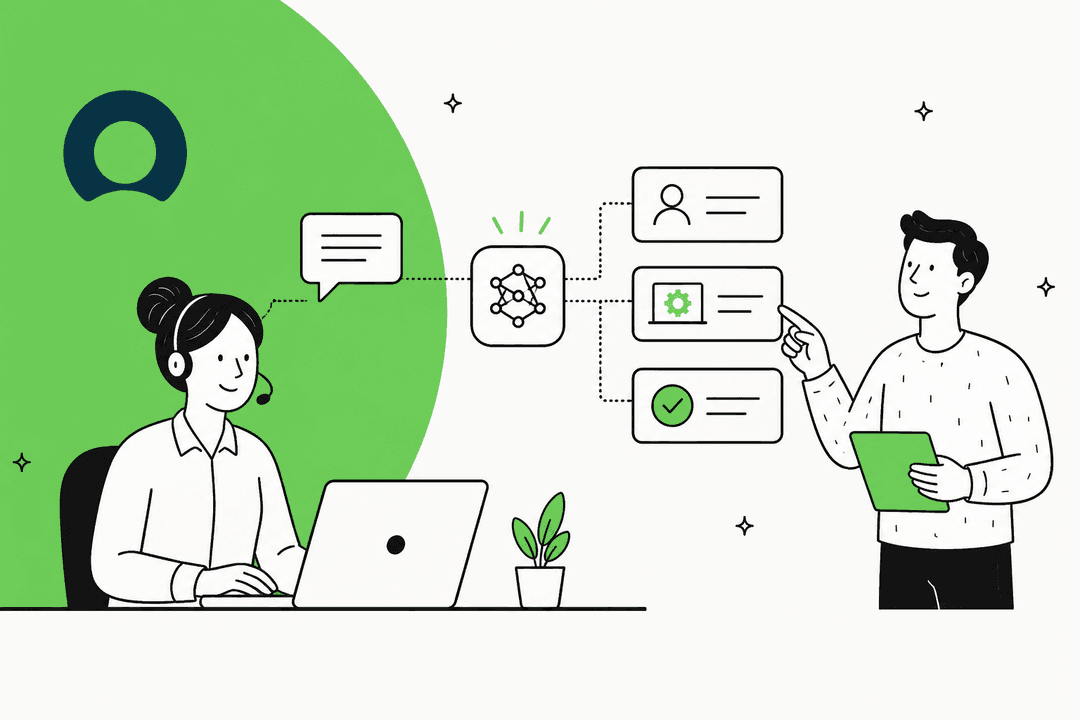
Now Assist for ITSM & CSM: This is where the rubber meets the road for most support teams. Features like case summarization and resolution notes generation are incredibly useful. Instead of an agent spending 15 minutes trying to piece together a long, messy ticket history, they can get an instant summary of the problem, what's been tried, and who’s been involved. This seriously cuts down on the manual work needed to get up to speed and makes handoffs between shifts so much smoother.
-
Now Assist for Search & Virtual Agent: This is all about making self-service better. Instead of a user getting a boring list of links after a search, they can ask a question in plain English and get a straight answer pulled directly from the company’s knowledge base. This helps deflect a ton of common tickets before they’re even created, freeing up your agents to tackle the truly tricky stuff.
AI for autonomous workflows
This is where you can see ServiceNow’s real ambition. AI Agents are designed to do more than just fetch information; they’re built to run entire workflows.
For instance, picture a new hire who needs a software license. Instead of just sending them to a form, a ServiceNow AI Agent could handle the whole thing:
-
It starts with a simple chat request from the employee.
-
It understands which software is needed and for what reason.
-
It checks the employee's role in the system to make sure they're eligible.
-
It pings their manager for approval.
-
Once approved, it automatically provides the license through an integration.
-
Finally, it closes the ticket and lets the employee know they're all set.
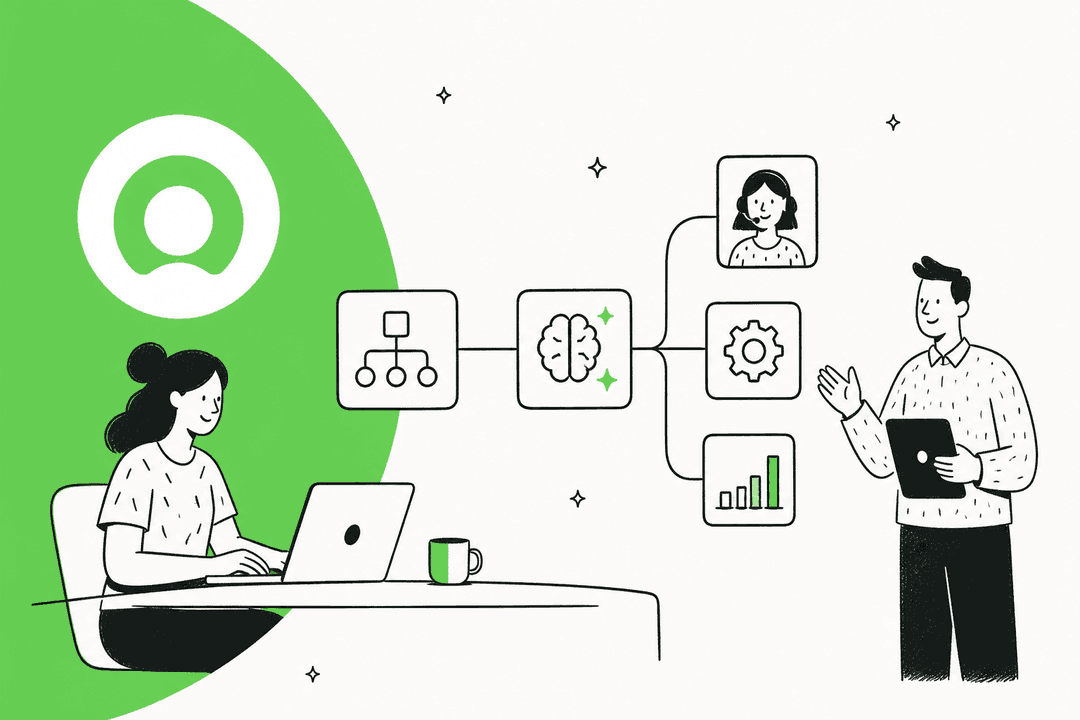
This all happens thanks to backend pieces like the AI Agent Orchestrator, which manages the different AI agents, and the AI Agent Studio, where you can build and tweak these agents for your specific needs.
AI for developer and agent productivity
Beyond the headliners, ServiceNow has sprinkled AI into a few other places to help people get work done faster:
-
Text-to-code: This lets developers describe what they need in plain English, and the AI will generate the code for them. It's a huge time-saver when building custom apps and workflows on the Now Platform.
-
Email reply recommendation: For service agents, this feature drafts email replies that are aware of the conversation's context. It helps keep the tone consistent across the team and saves a lot of time on common questions.
Here’s a quick cheat sheet to keep things straight:
| Feature | Primary User | Key Benefit |
|---|---|---|
| Case Summarization | Support Agents (IT/Customer) | Reduces time needed to understand ticket history. |
| Text-to-Code | ServiceNow Developers | Speeds up custom script and workflow development. |
| AI-powered Search | Employees & Customers | Provides direct answers, improving self-service deflection. |
| AI Agent Orchestration | Business Process Owners | Automates complex, multi-step cross-departmental tasks. |
The platform strategy for AI
ServiceNow wants to be the central hub for all things AI in your company. This means connecting not just its own tools but also a bunch of external systems, which is both its biggest strength and a major source of its complexity.
Integrating external systems
ServiceNow gets that no company exists in a bubble. To talk to the outside world, it has two main tools:
-
Integration Hub is the main way you connect ServiceNow to other apps. It uses pre-built connectors (called "spokes") to link up with hundreds of common systems. If a spoke you need doesn't exist, you can build your own integration with APIs.
-
Action Fabric (formerly AI Agent Fabric) is the next step in this journey. It lets outside AI agents such as Claude, ChatGPT, or Gemini run governed ServiceNow actions through MCP and A2A, and gives ServiceNow's own AI agents access to external agents and tools.
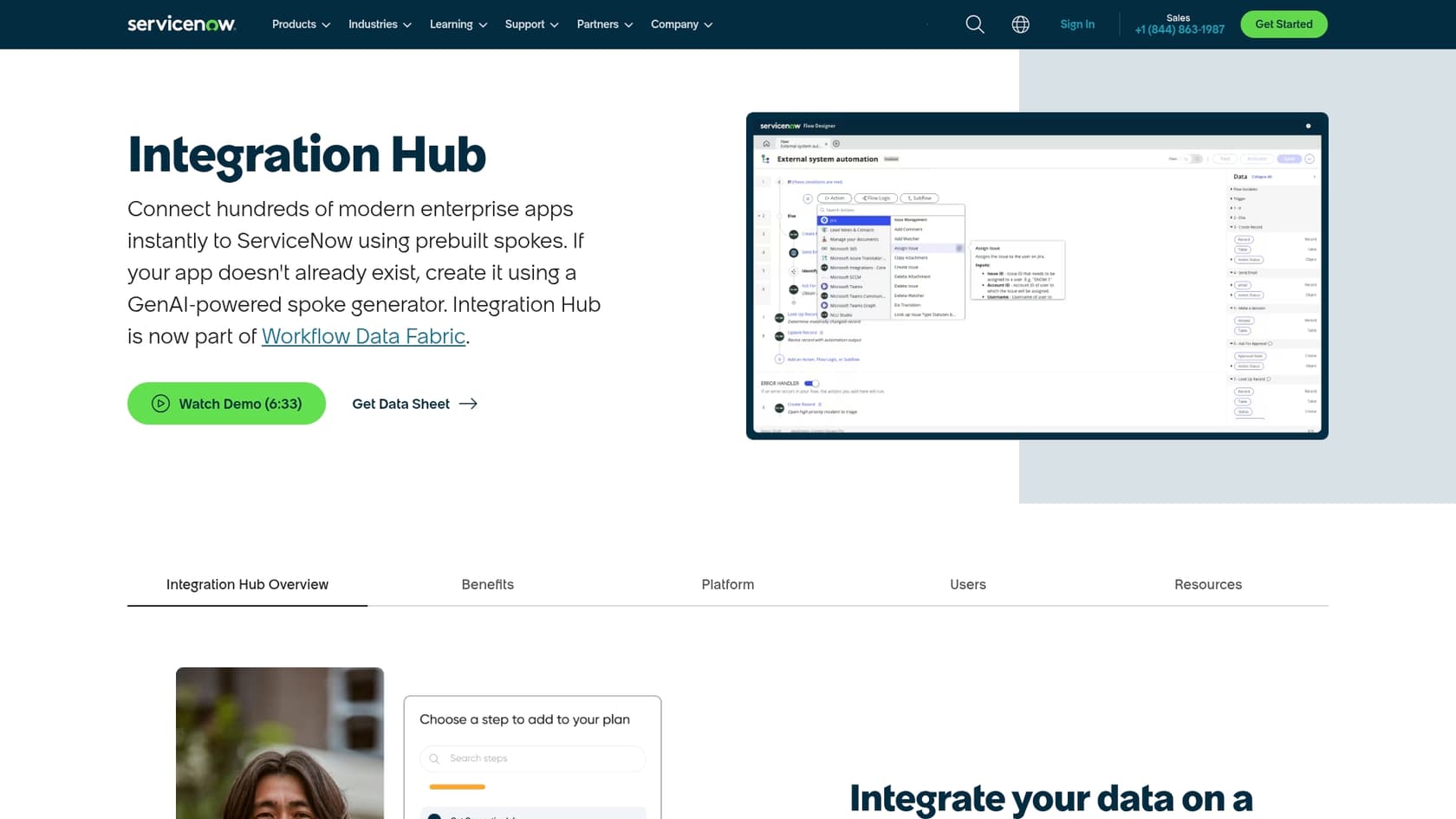
This "platform of platforms" idea sounds amazing, but there's a catch: it takes a lot of technical work to set up. Getting all your systems connected means you either need a pre-built spoke to be available, or you have to find developer time to build custom integrations from scratch.
The challenge of unifying knowledge
The biggest hurdle for any AI is getting its hands on the right information. And while ServiceNow is great at using the data inside its own platform, pulling in knowledge from outside sources can be a real pain.
If you browse community forums, you’ll see post after post from users asking how to import their knowledge from tools like Confluence or even just external websites. ServiceNow gives you a few ways to do this, but each one has some pretty big drawbacks:
-
Manual Import: According to ServiceNow's own documentation, this is really only for a "low number of articles" and it only works with Microsoft Word files. If your knowledge is in any other format, you're stuck manually converting every single file first.
-
Easy Import: This method makes you format all your content into a specific Excel template. Imagine trying to do that for thousands of articles full of images, tables, and weird formatting. It quickly turns into a massive, mind-numbing data entry project.
-
API Integration: This is your most powerful option, as it lets you write a custom script to pull in data. But, it requires developers who have a deep understanding of the REST API or Integration Hub.
We’re currently evaluating an idea to integrate an external third-party knowledge source into our ServiceNow Knowledge Base. Our goal is to either pull specific articles or content from an external vendor’s site via API, or have the vendor push curated content into our ServiceNow instance.

So, what's the big limitation here? There's no simple "sync" button for all the places your team's real knowledge lives, like the Google Docs, Notion pages, and Slack threads where problems actually get solved. This creates a huge knowledge gap, meaning the AI never gets the full story, which holds it back right from the start.
Key considerations when adopting AI powered features in ServiceNow
Before you dive in headfirst, it’s good to have a clear picture of the practical hurdles that come with a platform this big.
Complexity, cost, and implementation time
-
Complexity: Let's be real: you don't just flip a switch and have ServiceNow AI running perfectly. It means setting up the AI Control Tower for governance, configuring AI Agents for your specific workflows, and building out all the necessary integrations. This whole process requires specialized knowledge of the Now Platform.
-
Cost: The most powerful GenAI features are not part of the standard packages. As you can see on their pricing page, AI Agents for customer service are tucked into the CSM Advanced and CSM Prime packages, and every package is a custom quote. That can make the total cost pretty high and hard to budget for.
-
Implementation Time: Because this is such a powerful and complex system, the learning curve is steep. Getting everything configured, connected, and governed correctly isn't a weekend project, it can often take months of dedicated work.
A simpler, more flexible approach with eesel AI
If you're looking for powerful AI without the massive upfront effort, there's a more lightweight and flexible way to go. eesel AI is an AI layer designed to work alongside the systems you already use. It doesn't have a native ServiceNow integration, so it runs next to ServiceNow: answering employees in Slack or Microsoft Teams and customers on your site from the same knowledge, without the long setup time.
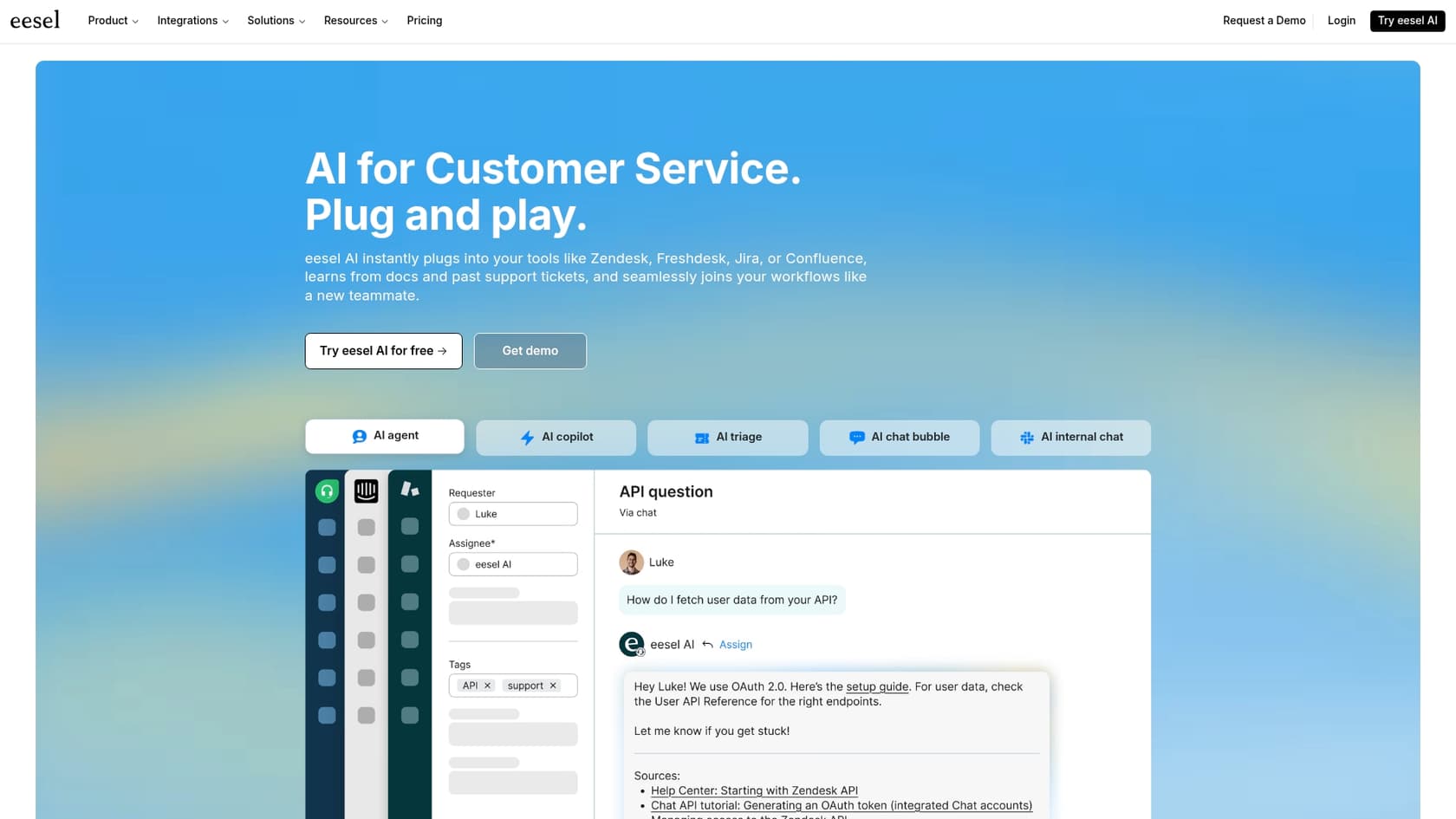
Address the knowledge gap instantly eesel AI directly tackles that knowledge integration problem we talked about. It has one-click integrations with 39 listed sources, including Confluence, Google Docs, and Notion. You can pull all your scattered knowledge together in an instant, with no painful import processes or custom API jobs. This means your AI has all the context it needs from day one.
Highlighting simplicity and speed While a ServiceNow project can take months, eesel AI is built for you to set up yourself. You can connect your helpdesk and knowledge sources and be up and running in minutes. The eesel AI Agent can start answering common questions in Slack, Teams, or on your site immediately, learning from all those documents you just connected.
Test with confidence One of the coolest things about eesel AI is its simulation mode. You can test your AI setup against generated test cases, or past tickets from a connected helpdesk, in a safe sandbox. Each answer is scored and you get suggested instruction fixes before you ever show it to a customer. It completely takes the risk out of the equation.
Transparent pricing With eesel AI, you get straightforward pricing: fixed monthly plans from $299 for 500 credits, where one ticket or chat is one credit. There are no hidden fees for every ticket it solves or confusing enterprise add-ons. You’ll never get a surprise bill after a busy month.
Making AI in ServiceNow work for your enterprise
ServiceNow offers a deeply connected suite of AI powered features in ServiceNow that is definitely powerful, especially if your company is already all-in on its ecosystem. Its biggest strength is its ability to manage complex workflows that happen entirely inside the Now Platform.
But all that power comes with a good deal of complexity, high costs, and one major challenge: bringing in all the external, unstructured knowledge that’s needed for an AI to be truly effective.
For teams that need accurate, smart AI that uses all of their company knowledge without a huge, time-draining project, eesel AI is a really compelling alternative. It works alongside ServiceNow and your other tools, giving you the best of both worlds: ServiceNow's workflow engine for tickets, and an AI in Slack, Teams, and your site that draws on your wider company knowledge.
Ready to add an AI that knows your whole business alongside ServiceNow? Learn more about eesel AI.
Frequently asked questions
What exactly are the "AI powered features in ServiceNow" mentioned in this guide, specifically Now Assist and AI Agents?
Now Assist refers to generative AI experiences like summarization and drafting, built into existing ServiceNow tools like ITSM or CSM. AI Agents are designed to be autonomous workers that can handle complex, multi-step workflows across departments and systems.
How can "AI powered features in ServiceNow" like Now Assist for ITSM help improve support team efficiency?
Now Assist for AI for ITSM significantly reduces manual work for support teams by instantly summarizing long ticket histories and generating resolution notes. This allows agents to quickly understand issues and facilitates smoother handoffs between shifts.
Can you provide an example of how "AI powered features in ServiceNow", specifically AI Agents, can automate a multi-step process?
Yes, an AI Agent could fully automate a new hire's software license request. It would chat with the employee, verify eligibility, obtain manager approval, automatically provide the license through integration, and then close the ticket.
What are the main challenges when it comes to integrating external knowledge sources with the "AI powered features in ServiceNow"?
The primary challenge is the lack of a simple "sync" button for external knowledge tools like Google Docs or Confluence. Current import methods are often manual, require specific formatting, or need extensive developer resources via APIs, which can create a significant knowledge gap for the AI.
Are the most powerful "AI powered features in ServiceNow" included in standard ServiceNow packages, or do they come with additional costs?
The most powerful generative AI features, such as Now Assist and the AI Agent Studio, are typically not part of standard packages. For customer service, AI Agents sit in the CSM Advanced and CSM Prime packages, which are custom-quoted, so they add cost beyond a basic subscription.
If we're looking for a simpler, faster way to leverage AI with our existing ServiceNow setup, what alternative to "AI powered features in ServiceNow" is mentioned?
The blog suggests eesel AI as a more lightweight and flexible alternative. It connects to knowledge sources like Confluence, Google Docs, and Notion (39 listed integrations) and answers in Slack, Microsoft Teams, or on your site, with a simulation skill to test answers. eesel doesn't have a native ServiceNow integration.