Blog
Tips, guides, and insights on AI teammates, smarter support, and building better teams.


Energy and AI in 2026: what the per-prompt numbers don't tell you
Google publishes 0.24 Wh per prompt. Mistral publishes 1.14 gCO2e. Both are honest, neither is comparable, and the number that actually moves your footprint is the one nobody publishes: how many model calls it takes you to finish one piece of work.
 Kurnia Kharisma Agung SamiadjieAug 17, 2026
Shieldstral review: a fast yes/no, and no reason why
Mistral's 3B open-weights safety classifier ties the 20B leader on its own text-safety chart and runs on one 16GB GPU. What it does not give you is a reason, or a hosted endpoint.
 Alicia Kirana UtomoAug 17, 2026
Meta Muse Code alternatives: 9 agents compared in 2026
Muse Code has no spend cap, and most tools that do give you one will not contain the agent. I compared nine alternatives on the dials that actually decide the switch.
Kurnia Kharisma Agung SamiadjieAug 17, 2026
SeedRealtime: what ByteDance's audio-visual model actually does
SeedRealtime is ByteDance's audio-visual full-duplex model. Here is what it does, what ByteDance published, and what you can actually call today.
Alicia Kirana UtomoAug 17, 2026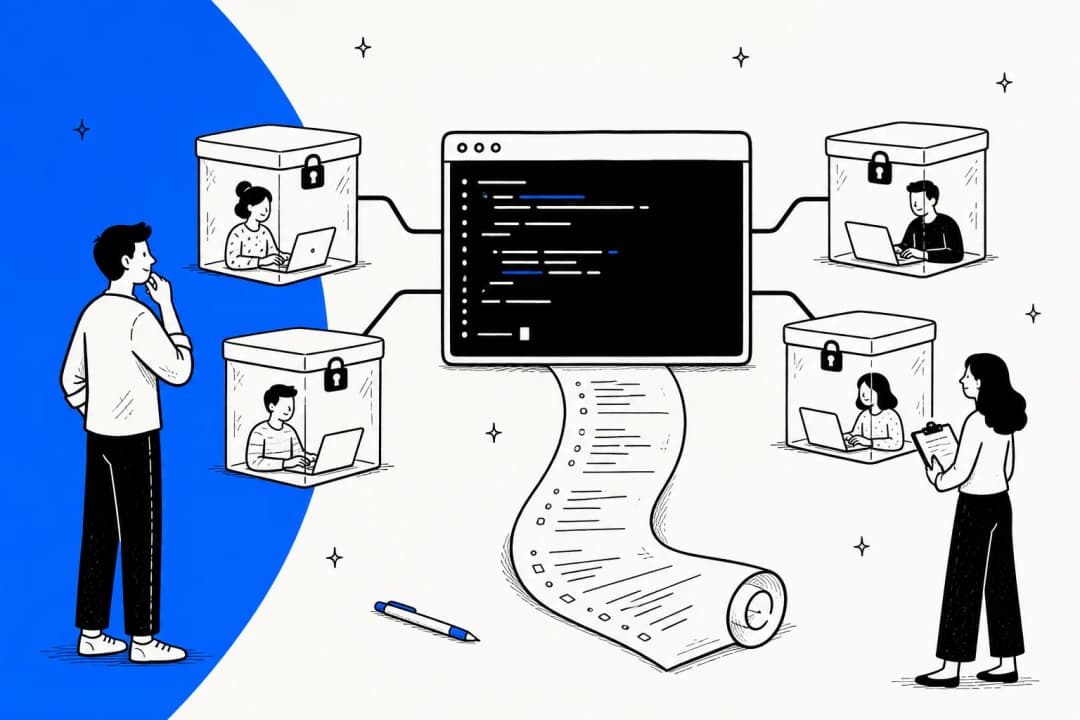
Meta Muse Code review: the harness is the product, not the model
A hands-on read of Meta's terminal coding agent. The isolation and the audit log are the best parts, and every benchmark gain Meta showed was measured inside Meta's own harness.
Alicia Kirana UtomoAug 17, 2026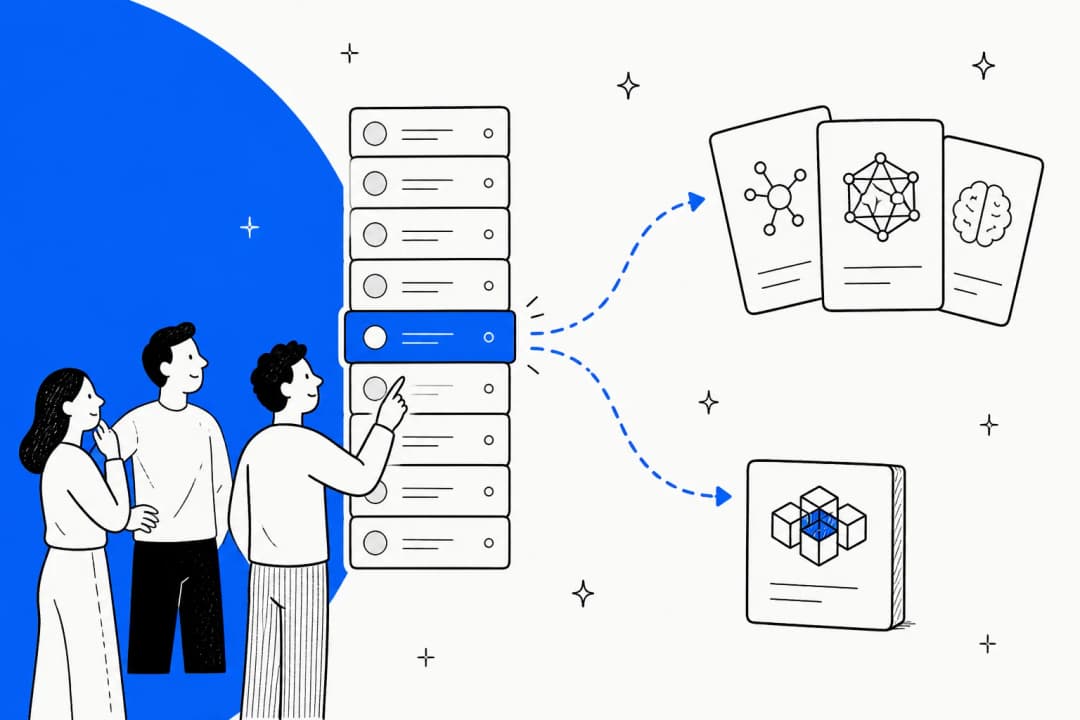
Meta Muse Spark 1.2 alternatives: 8 models worth switching to in 2026
Nothing on the Artificial Analysis board beats Muse Spark 1.2 for less money. So the real reason to leave is the weights Meta promised and has not shipped.
 Rama Adi NugrahaAug 17, 2026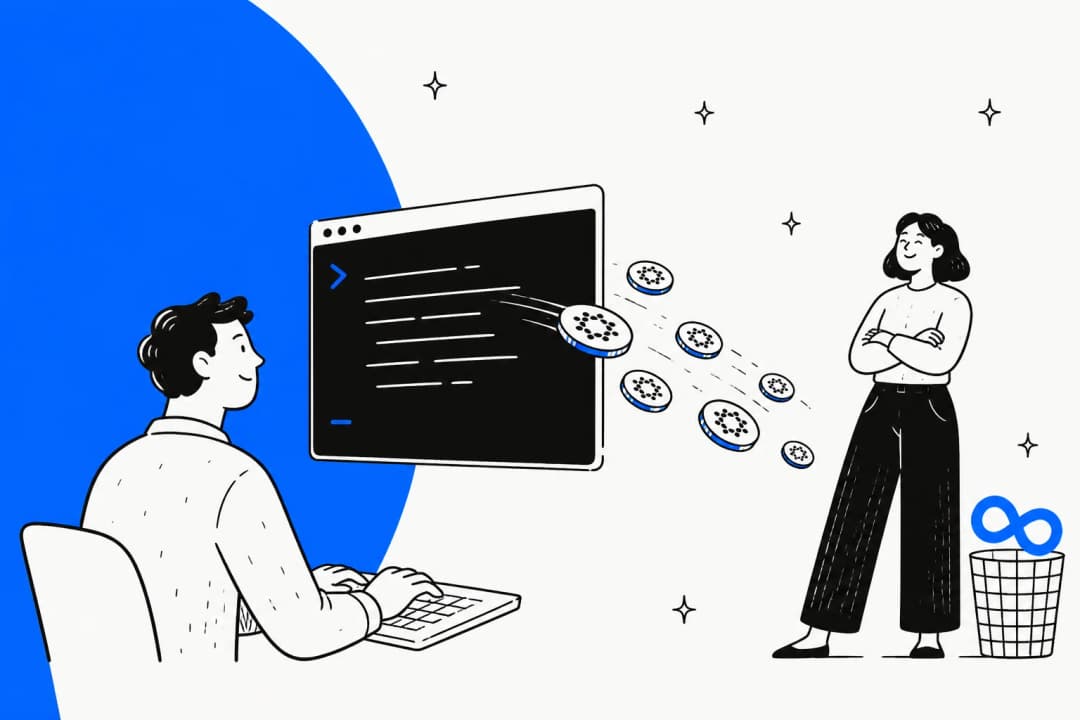
Meta Muse Code pricing: what a free coding agent really costs
Meta Muse Code has no price, no plan, and no spend cap. Here is the real rate card, the three defaults that set your bill, and how to bring it down.
Rama Adi NugrahaAug 17, 2026
OpenAI API pricing in 2026: every rate and hidden multiplier
The full OpenAI API pricing card for 2026, plus the four multipliers that really set your invoice: the 272K cliff, cache writes, service tier and reasoning.
Rama Adi NugrahaAug 17, 2026
Meta Muse Spark 1.2 pricing: the rate card that never changed
Meta Muse Spark 1.2 pricing is identical to 1.1, yet costs 37% more per task. Here is the full rate card, both tiers, and where the extra money actually goes.
Kurnia Kharisma Agung SamiadjieAug 17, 2026Ready to hire your AI teammate?
Set up in minutes. No credit card required.