

When you think about AI, the names OpenAI, Meta, and Google probably come to mind. They tend to get all the press. But another company, Alibaba, has been building its own powerful family of Large Language Models (LLMs) called Qwen.
In this post, we’re going to give you a straightforward Qwen overview. We'll skip the super technical stuff and focus on what the different Qwen models are, what they can do, and what it actually costs to use them. It’s easy to get lost in a sea of version numbers and specialized models, so we’ll focus on what matters for teams thinking about using AI for customer support or managing internal knowledge.
The main question we want to answer is pretty simple: Is Qwen a tool you can actually use today, or is it more like a powerful engine that you have to build a car around yourself?
What are the Qwen models?
Qwen, which translates to "a thousand questions," is a series of language models from Alibaba Cloud. The first thing you need to know is that Qwen isn't a single product you can just plug in and use. Think of it more like a big, sprawling family of models, with dozens of variations built for slightly different jobs.
At their heart, all Qwen models are built on the same core technology (a transformer-based architecture) that powers models like GPT. They’re also known for being great with multiple languages, especially Chinese and English, which makes them interesting for global companies.
Qwen models come in two main flavors: powerful commercial versions you can access through an API, and open-source versions that you can host and customize yourself. On top of that, there are specialized models for specific tasks like coding, solving math problems, or even understanding images. This variety gives you a lot of flexibility, but it also brings up the first big challenge: figuring out which of the many, many models is the right one for you.
The Qwen model families
The sheer number of Qwen models and versions can make your head spin. Let's try to break down the main families to get a clearer picture.
General purpose and chat models
These are the core models that form the backbone of the Qwen series. They're built for most text-based tasks you can think of, like drafting emails, summarizing long documents, or powering a chatbot. The version numbers (1.5, 2.5, 3, and now 3.7 and 3.8) just mark their evolution; Alibaba Cloud's current lineup leads with Qwen3.8-Max, Qwen3.7-Plus and Qwen3.8-Flash. Each new generation gets better, with bigger context windows (meaning it can remember more of a conversation) and better performance. If you’re looking for a general-purpose AI assistant, you'd start here.
Specialized models
This is where Qwen gets more specific. Instead of being a jack-of-all-trades, these models are fine-tuned for particular jobs:
-
Qwen-VL: These are Vision-Language models, which means they can see. You can show them an image, a chart, or a document, and they can tell you what’s in it, answer questions, and even pull out text.
-
Qwen-Audio: These models work with audio. They can transcribe a customer call, identify different sounds, and even pick up on sentiment from someone's tone of voice.
-
Qwen-Coder: Made for developers, these models can write new code, help you find bugs in existing code, and generate documentation.
-
Qwen-Math: Just like it sounds, these models are trained to understand and solve math problems, from basic arithmetic to more complex algebra.
Reasoning models
One of the more interesting developments in the latest Qwen models is something they call "thinking mode." It's designed to handle complex, multi-step problems that need a bit of logical reasoning. When you turn it on, the model often shows its work, laying out a step-by-step thought process before giving the final answer. This is great for making its logic transparent, especially for things like math proofs or detailed planning. The catch? It’s a lot slower and more expensive to run.
So which one do you pick? A general model for simple questions? A reasoning model for tough ones? A vision model for tickets with screenshots? A real-world support queue gets all of the above. This is where things get complicated for most teams, and it’s why a platform like eesel AI exists. It’s built to handle the mixed bag of a support queue right away, automatically using the best technology for the job so you can focus on helping customers, not on becoming AI researchers.
| Model Family | Primary Use Case | Key Characteristic |
|---|---|---|
| Qwen (Base) | General Text & Chat | Foundational models for conversation and content. |
| Qwen-VL | Vision & Image Understanding | Analyzes images, charts, and documents. |
| Qwen-Audio | Audio Processing | Transcribes speech, music, and other sounds. |
| Qwen-Coder | Code Generation & Assistance | Specialized for software development tasks. |
| QwQ / Thinking | Complex Reasoning & Problem-Solving | Shows step-by-step logic for difficult tasks. |
Key features and limitations
Now that we have a handle on the different models, let's get into what they can do and, just as importantly, where they fall short in practice.
Powerful multilingual support and large context windows
Two of Qwen's biggest selling points are its language skills and its memory. Many of the latest models can handle over 100 languages and dialects, making them a really solid option for global companies supporting customers in different regions.
On top of that, some Qwen models have massive context windows, with a few able to process up to one million tokens. Practically speaking, this means the AI can read and remember incredibly long documents or entire conversation histories without getting lost. This is a huge plus for digging through long support threads or summarizing dense technical manuals.
The trade-off: Open source vs. commercial
Choosing between Qwen's open-source and commercial models involves a classic trade-off.
The open-source models offer a ton of flexibility. If you have a team of AI engineers and a budget for beefy servers, you can host them yourself, train them on your own data, and have complete control. The downside is that this takes a lot of infrastructure and technical skill to manage, and the open-source versions are usually not as powerful as the commercial ones.
The commercial models, which you use through an API, give you access to Alibaba's latest and greatest AI. But that convenience means you're tied to one vendor, have to deal with a confusing pricing structure, and have less control overall.
The implementation gap: From model to solution
This is probably the single biggest roadblock for most businesses: a raw LLM like Qwen, whether it's open-source or commercial, doesn't solve business problems by itself. It's just an engine. To make it useful, you have to build a whole application around it to connect to your knowledge, plug into your other tools (like your helpdesk), and give your team a way to actually use it.
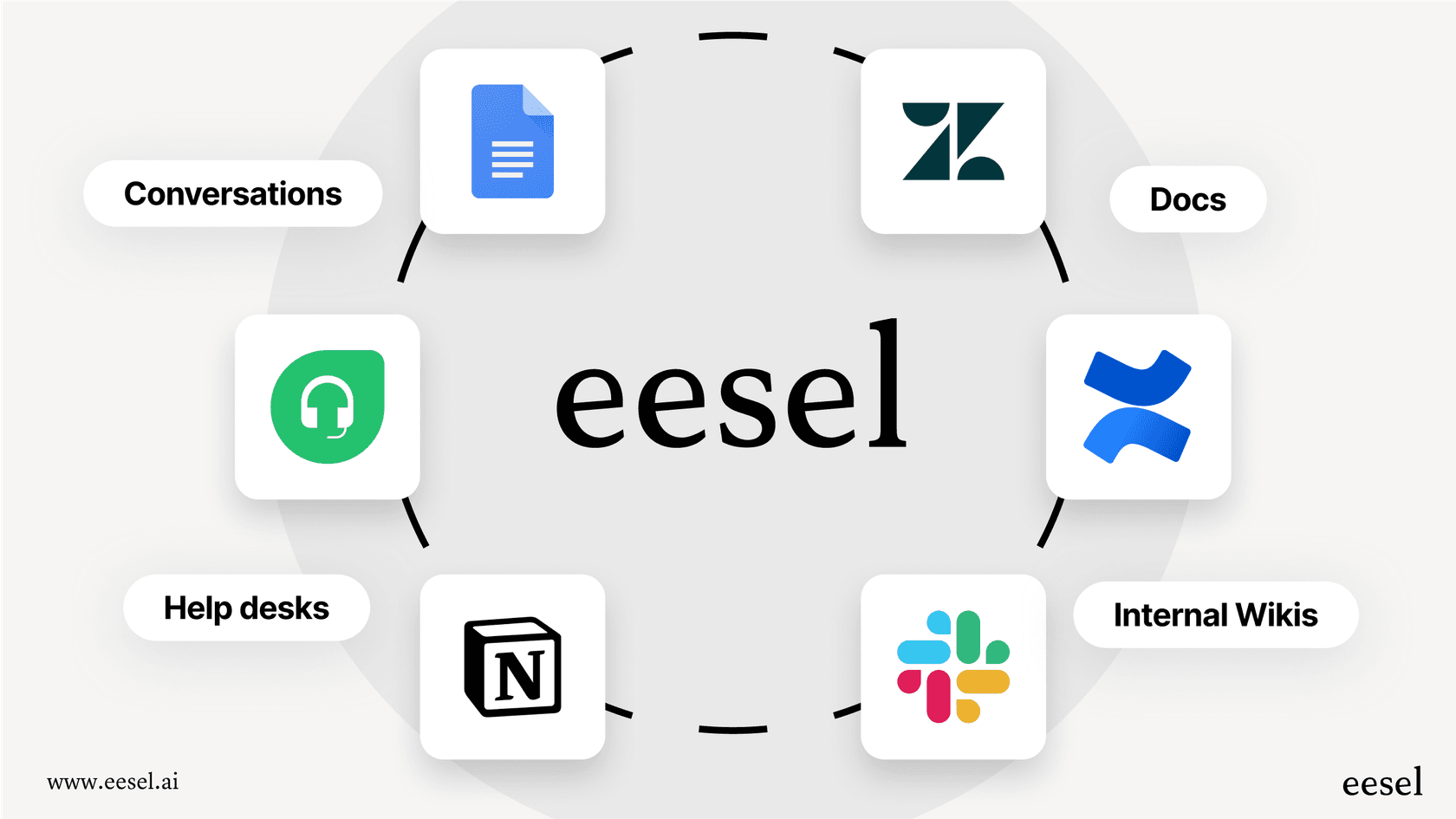
This is where most projects get stuck. Building that application layer is a huge, time-consuming, and expensive job. This is exactly the gap that eesel AI fills. We provide that entire layer for you. It connects all your knowledge from scattered places like your help center, Confluence, and Google Docs. It plugs directly into the tools your team already uses, like Zendesk or Slack, in just a few minutes, and gives you a simple dashboard to manage everything. It turns the raw potential of a model like Qwen into a tool that works from day one.
The practical challenges: Pricing and setup
Beyond the tech specs, the real-world costs and effort needed to use Qwen are big factors that often get glossed over in shiny reviews.
The complex pricing model
If you go with the commercial Qwen models through Alibaba Cloud, you’ll find that the pricing is anything but simple. The price you pay is all over the map, depending on a few things:
-
Tiered Pricing: The cost per token (the basic unit of text) can change based on how long your prompt is. Longer inputs can sometimes cost more per token.
-
Input vs. Output Tokens: You’re charged different, and often much higher, rates for the text the model writes (output) versus the text you send it (input).
-
Thinking vs. Non-Thinking Mode: As we mentioned, switching on the more powerful "thinking mode" can make a single response anywhere from 3 to 10 times more expensive.
-
Model Tiers: The different models like Qwen-Max, Qwen-Plus, and Qwen-Flash all have their own price tags.
The end result is a complex pricing model that’s really hard to predict. A sudden rush of complicated support tickets could make your bill skyrocket without warning, making it almost impossible to budget for.
| Qwen-Plus (Non-Thinking Mode) | Input Price (per 1M tokens) | Output Price (per 1M tokens) |
|---|---|---|
| 0, 256K Tokens | $0.4 | $1.2 |
| 256K, 1M Tokens | $1.2 | $3.6 |
| Qwen-Plus (Thinking Mode) | $0.4 | $4.00 |
Note: Prices are examples based on public data and are subject to change. "Thinking Mode" output is over 3x more expensive.
The hidden costs: Implementation and maintenance
On top of the usage fees, there's a huge hidden cost in engineering time. To use Qwen's API, your dev team has to set up the connection, manage security keys, build integrations with your helpdesk and knowledge bases, and keep an eye on how the model is performing.
If you go the open-source route, you’re on the hook for setting up, managing, and paying for the expensive GPU servers needed to run these models, which can easily cost thousands of dollars a month.
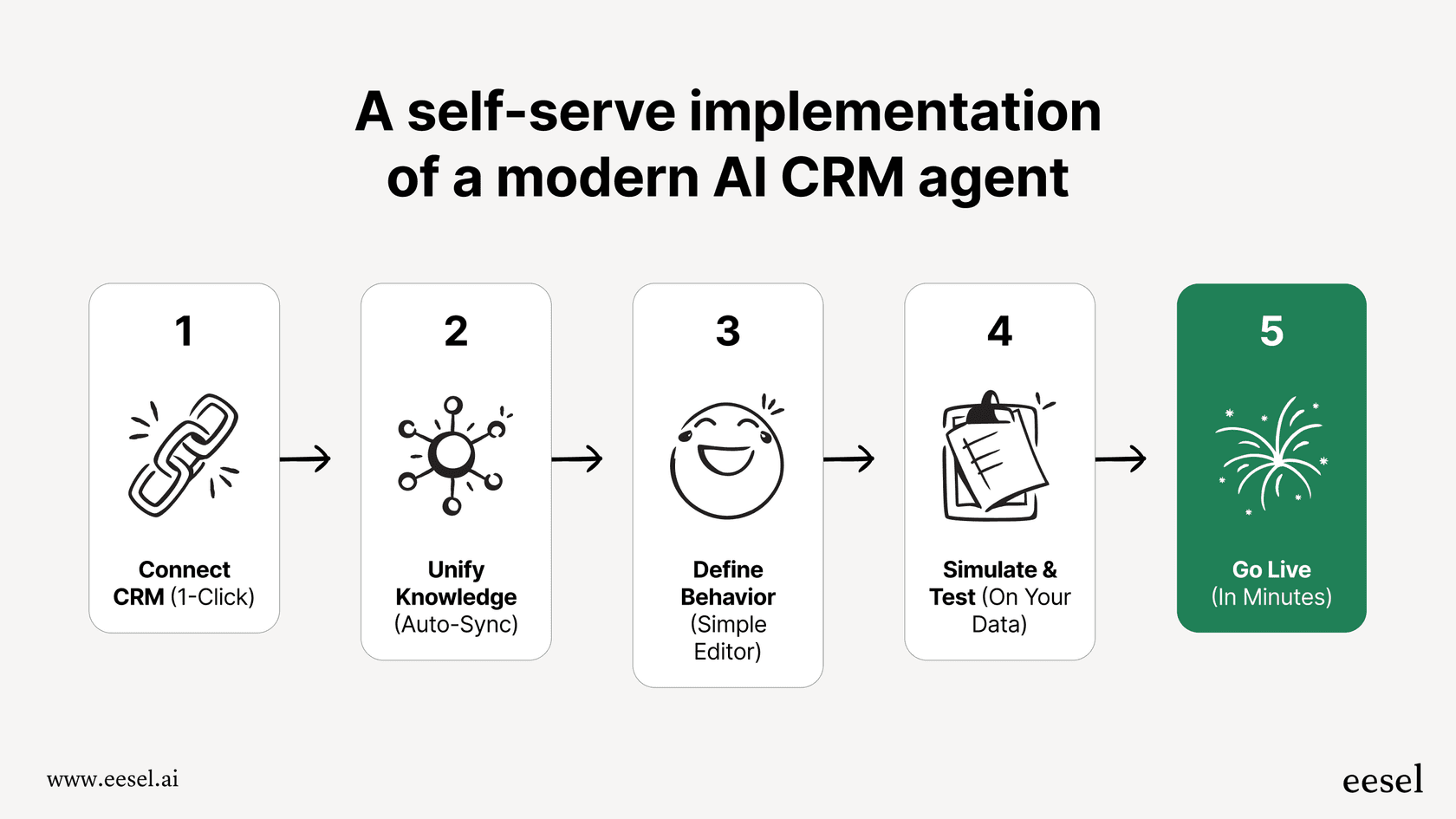
This is where a ready-made platform really stands out. Instead of unpredictable, per-token fees that punish you for being busy, eesel AI offers transparent and predictable pricing with no charges per resolution. And instead of a months-long engineering project, eesel AI’s one-click helpdesk integrations mean you can go live in minutes, not months. You can even simulate how the AI will perform on thousands of your past tickets to get a real ROI forecast before spending a dime, something you just can't do when you're building from scratch.
Is Qwen the right choice for your support team?
The Qwen family of models is powerful and versatile, there’s no doubt about it. Alibaba has built a serious competitor in the AI space. But it's important to see Qwen for what it is: an ingredient, not a complete meal.
Qwen is a great choice for companies that have dedicated AI development teams, a flexible budget that can handle unpredictable costs, and a specific plan to build a fully custom AI application from the ground up.
However, for most support, IT, and operations teams, it’s not the right tool for the job. These teams need a reliable, cost-effective, and easy-to-use AI platform that works with their existing tools without needing a massive engineering project.
For those teams, a purpose-built solution like eesel AI delivers all the power of cutting-edge models like Qwen, but without the complexity, surprise costs, and setup headaches. It's the difference between buying a high-performance engine and driving a fully-built car right off the lot.
Ready to see what a purpose-built AI platform can do for your team? Start free with eesel AI and automate your first support tickets in minutes.
Frequently asked questions
What's the main takeaway from a Qwen overview regarding its core identity?
Qwen is a family of powerful Large Language Models (LLMs) developed by Alibaba Cloud, known for its transformer-based architecture and strong multilingual capabilities, especially in Chinese and English. It offers both commercial API access and open-source versions.
Could you give me a Qwen overview of the different types of models offered within the Qwen family?
The Qwen family includes general-purpose chat models (from early Qwen releases through today's Qwen3.x series) and specialized models such as Qwen-VL for vision, Qwen-Audio for audio, Qwen-Coder for coding, and Qwen-Math for problem-solving. There are also advanced reasoning models.
What's a Qwen overview of the key advantages of Qwen models for global operations?
A significant advantage is Qwen's powerful multilingual support, handling over 100 languages and dialects, making it ideal for global companies. Additionally, some models feature massive context windows, allowing them to process and remember incredibly long documents or conversation histories.
Can you provide a Qwen overview that clarifies the trade-offs between using Qwen's open-source versus commercial models?
Open-source Qwen models offer high flexibility and control for teams with dedicated AI engineers but require significant infrastructure and technical skill. Commercial models provide access to Alibaba's latest AI via API, offering convenience but with less control and often complex pricing.
What challenges does a Qwen overview highlight regarding the practical implementation of these models for businesses?
The main challenge is the "implementation gap," where a raw LLM like Qwen doesn't solve business problems alone. It requires building an entire application layer, including integrations with existing tools and knowledge bases, which is a significant and expensive engineering effort.
From a Qwen overview perspective, how complicated is the pricing structure for commercial Qwen models?
The pricing for commercial Qwen models through Alibaba Cloud is complex and unpredictable. It involves tiered pricing based on prompt length, different rates for input versus output tokens, higher costs for "thinking mode," and varying prices across different model tiers.